The question behind the question
“Should we rebuild it?” is rarely the real question. Teams usually ask it after a bad release, a failed audit or a key engineer handing in their notice. The system feels fragile, so replacing it feels like the responsible move.
But age on its own is not a problem. Plenty of ten-year-old systems run reliably and cheaply. The useful question is narrower: is this system stopping the business from doing something it needs to do, and what is the cheapest safe way to remove that constraint?
Three signals it’s time to act
In our assessments, modernization is usually justified when at least two of these are true at the same time.
- 01Change has become expensive. Small features take weeks, and every release needs a manual regression pass nobody trusts.
- 02Risk is concentrated. One or two people understand the system, or it runs on components that no longer receive security updates.
- 03It blocks a business goal. A new channel, integration, market or regulation can’t be supported without major workarounds.
The goal isn’t a new system. The goal is to make change cheap and safe again. Sometimes that takes a rewrite. More often it doesn’t.
When to leave it alone
If the system is stable, rarely changes and isn’t in the way of anything on the roadmap, the best investment is often to protect it rather than replace it: document how it works, add monitoring, patch what’s exposed and make sure more than one person can operate it.
That work is unglamorous, but it typically costs a fraction of a rebuild and removes most of the operational risk that prompted the conversation in the first place.
The options in between
Modernization isn’t a binary choice. Most systems sit on a spectrum, and different parts of the same system may need different treatment.
Stabilise
Document, monitor and patch. Keep the system, reduce the risk of running it.
Choose when it works, rarely changes and isn’t blocking the roadmap.
Refactor
Improve structure and test coverage in place, one module at a time.
Choose when the core logic is sound but change has become slow and risky.
Replace
Rebuild in stages behind a stable interface, running old and new in parallel.
Choose when the platform itself blocks business goals or can’t be secured.
How we run the decision
We keep the assessment short, usually two to three weeks, and make the output something leadership can act on.
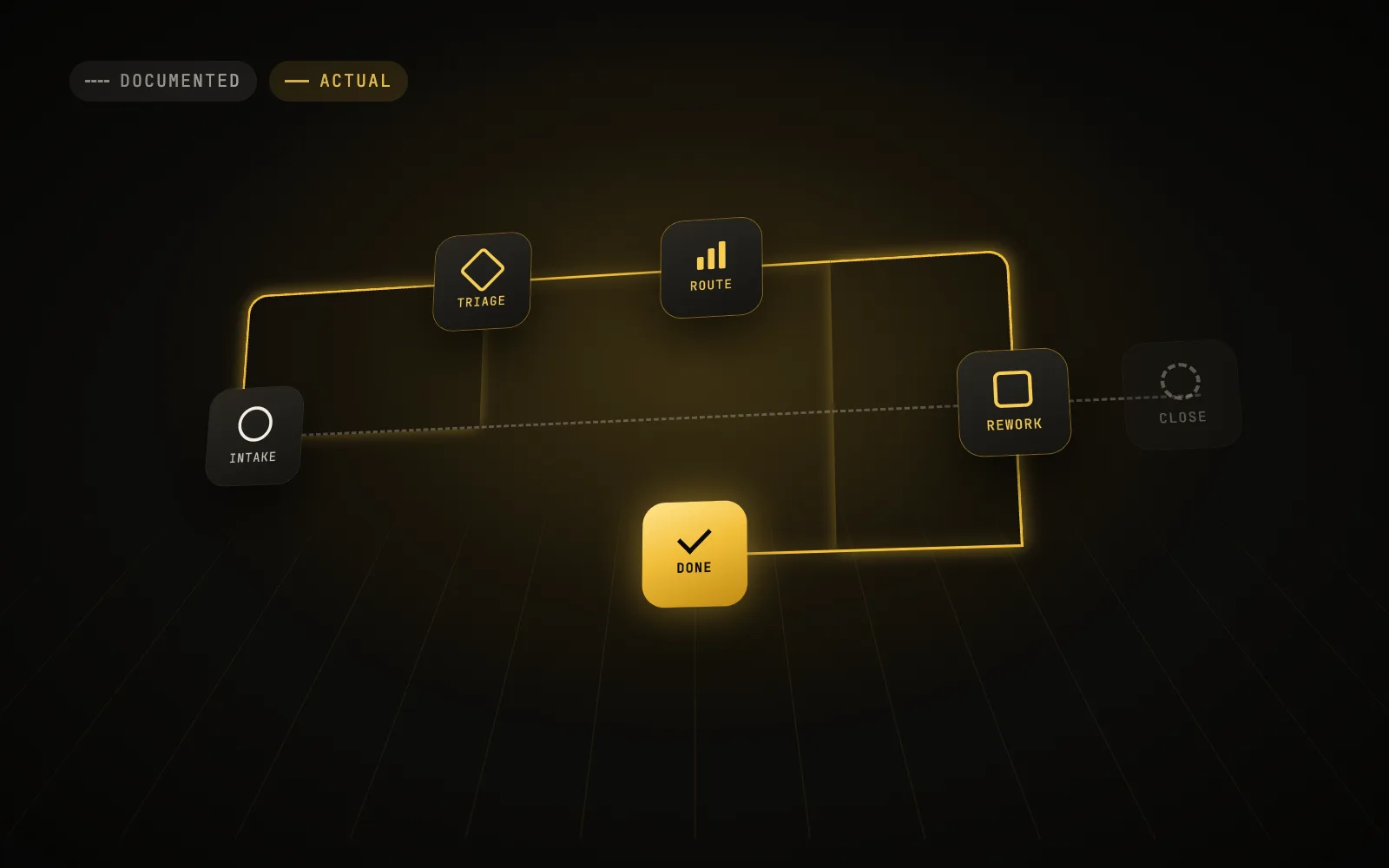
- Map what the system does today, including the undocumented parts people rely on.
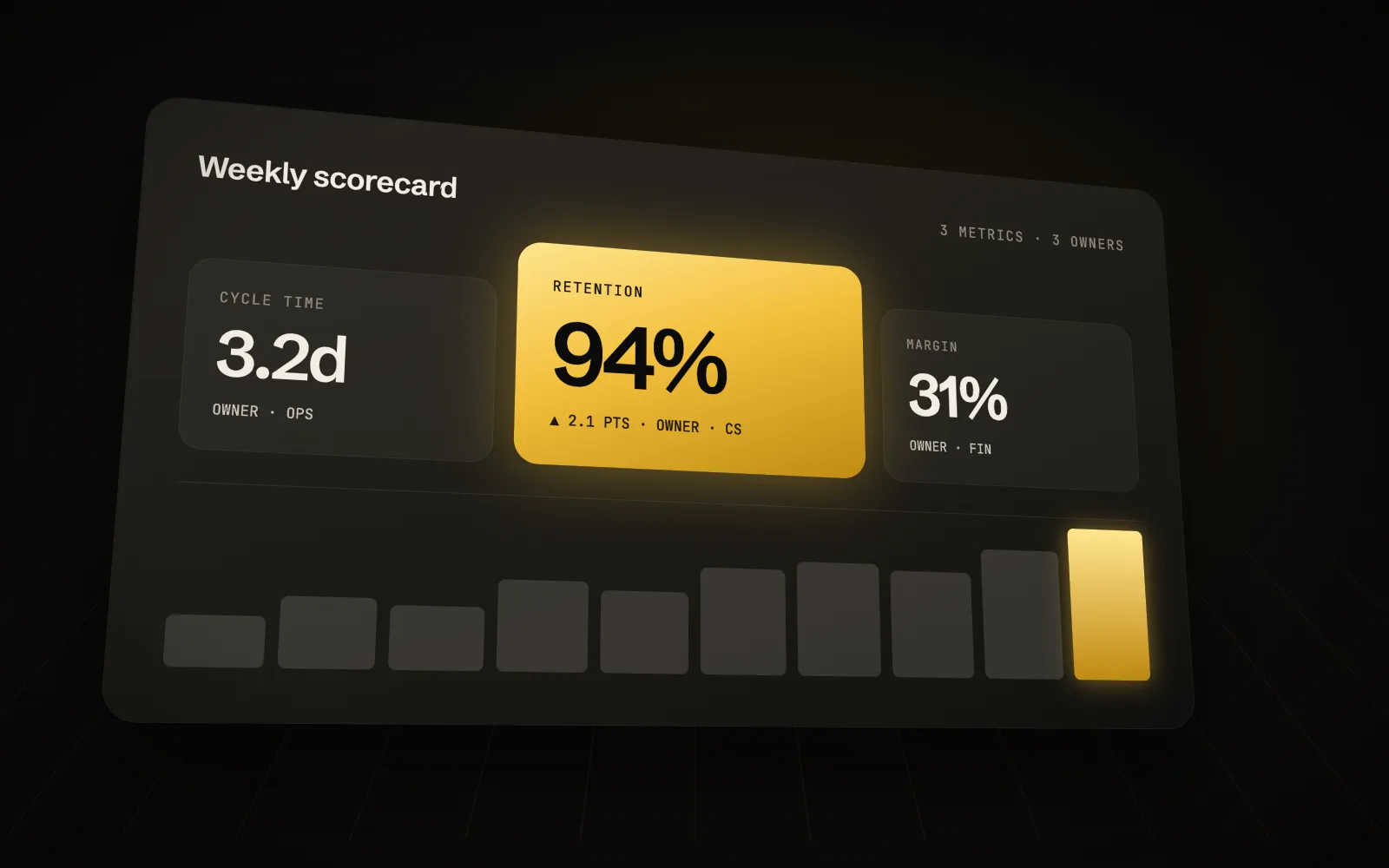
- Score each area on change frequency, business value and technical risk.
- Recommend a treatment per area — stabilise, refactor or replace — with rough cost and timing.
- Sequence the work so old and new can run side by side until each cut-over is safe.
In short
Key takeaways
- Age isn’t a reason to replace a system. Cost and risk of change are.
- Treat each part of the system on its own merits.
- Modernize incrementally, with parallel running before every cut-over.